
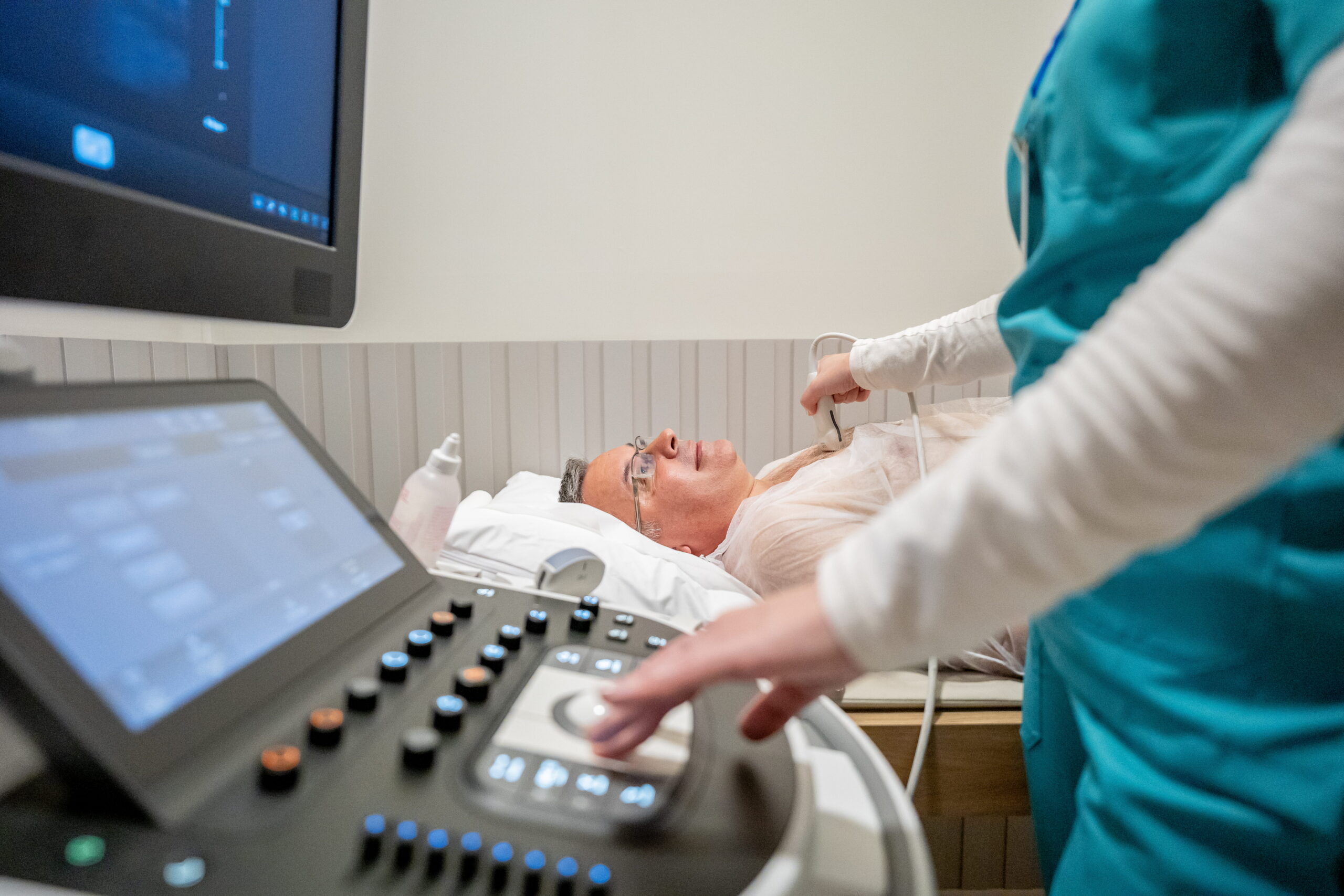
Heart disease is the leading cause of death in the United States, creating a sustained demand for skilled cardiovascular nurses. Whether you’re a newly licensed RN or a working nurse looking to specialize, cardiac nursing offers one of the most clinically meaningful paths in the profession.
This article outlines how to become a cardiac nurse, the certifications that matter, and how earning your BSN strengthens both your clinical foundation and long-term career options. Nevada State University’s RN to BSN online program is built for working nurses who are ready to take that next step without stepping away from the bedside.
What Does a Cardiac Nurse Do?
According to the Centers for Disease Control and Prevention (CDC), heart disease accounted for more than 683,000 deaths in 2024. A cardiac nurse specializes in the prevention, assessment, and treatment of heart-related conditions. This specialty spans a wide range of cardiovascular conditions, from chronic disease management to acute surgical recovery.
Cardiovascular nurses work with patients managing coronary artery disease, heart failure, arrhythmias, high blood pressure, congenital heart disease, and recovery from cardiac surgery. The scope is broad, and the clinical demands are high. Day-to-day responsibilities in cardiac nursing typically include:
- Continuous ECG monitoring and rhythm interpretation
- Medication administration, including anticoagulants, antiarrhythmics, and vasoactive drugs
- Comprehensive patient assessment and hemodynamic monitoring
- Patient and family education on heart disease, medications, and lifestyle modifications
- Emergency response to acute cardiac events such as arrhythmias or hemodynamic instability
- Collaboration with cardiologists, cardiac surgeons, and the broader care team
Cardiac nurses work across a range of settings depending on their specialty focus. Common environments include cardiovascular intensive care units (CVICU), telemetry and step-down units, cardiac catheterization labs, electrophysiology (EP) labs, cardiothoracic surgical units, and outpatient cardiovascular clinics.
Steps to Becoming a Cardiac Nurse
The path to cardiac nursing begins with RN licensure, then builds toward specialty clinical experience and formal certification. Each step is purposeful, and the decisions you make early, particularly around education level, can impact the roles available to you.
Step 1: Earn an Accredited Nursing Degree
Both an Associate Degree in Nursing (ADN) and a Bachelor of Science in Nursing (BSN) meet the minimum requirement for RN licensure. The ADN typically takes approximately two years to complete. The next step is to complete a BSN program, gaining additional skills in leadership, nursing research, public health, and evidence-based practice, all of which carry real weight in specialty nursing.
Many employers hiring for cardiovascular specialty roles prefer or require BSN-prepared nurses. This is especially true at Magnet-designated hospitals and large health systems, where BSN-prepared nurses are increasingly favored for critical care and procedural roles.
RNs who entered the profession through an ADN program are not at a permanent disadvantage. Completing an RN to BSN program while working is a practical and common path. Nevada State University’s RN to BSN online program is designed specifically for licensed RNs who need flexibility, offering fully online coursework built around the schedule of a working nurse.
Step 2: Pass the NCLEX-RN and Obtain Licensure
All nursing graduates must pass the NCLEX-RN, administered by the National Council of State Boards of Nursing (NCSBN), before beginning clinical practice. Licensure is required in every state and must typically be renewed every two years. Continuing education requirements for renewal vary by state, so nurses should confirm the specific requirements in their jurisdiction.
Step 3: Gain Clinical Experience in Cardiovascular Settings
New RNs entering the workforce generally start in acute care settings such as medical-surgical units, telemetry floors, or general ICUs. This early experience builds the clinical skills that cardiovascular specialty units expect applicants to already have.
Most nurses transition into specialized cardiovascular settings, such as the CVICU, cardiac step-down unit, or cardiac catheterization lab, after one to two years of acute care experience. Hands-on cardiovascular clinical experience is also a prerequisite for most cardiac nursing certifications.
Step 4: Pursue Cardiac Nursing Certification
Formal certification distinguishes a cardiovascular nurse in the job market and is associated with improved patient outcomes and stronger earning potential. Several credentials are available depending on your clinical focus.
The ANCC Cardiac Vascular Nursing Certification (CV-BC) is designed for RNs with a broad cardiovascular practice. Eligibility requires two years of RN practice, 2,000 cardiovascular nursing hours within the past three years, and 30 continuing education hours in cardiovascular nursing within the past three years.
For nurses working in critical care, the AACN Cardiac Medicine Certification (CMC) and AACN Cardiac Surgery Certification (CSC) are subspecialty credentials focused on critically ill adult cardiac patients. Both require 1,750 direct care hours in acute or critical care within the prior two years, with at least 875 of those hours completed in the year before application.
Cardiac Nurse Salary and Job Outlook
According to the U.S. Bureau of Labor Statistics (BLS), the 2024 median salary for registered nurses was $93,600, with projected employment growth of approximately 4.9% through 2034. Given their specialty training and certification, cardiac nurses often earn above that baseline. However, exact salaries vary by experience, education, and location.
The job outlook for nurses in this specialty is reinforced by the ongoing burden of cardiovascular disease in the U.S. population. As the population ages and the prevalence of conditions like heart failure, hypertension, and coronary artery disease continues to climb, the demand for experienced cardiac nurses is expected to remain strong across both inpatient and outpatient settings.
How a BSN Strengthens Your Path in Cardiac Nursing
Choosing to advance your education to the BSN level can come with many benefits, including:
- Preferred by cardiac care employers. Magnet-designated hospitals and large health systems increasingly prefer BSN-prepared nurses for cardiovascular roles. In competitive hiring environments, a BSN can be the one factor that helps you land an interview for a CVICU or cath lab position.
- Deeper clinical foundation. BSN programs go beyond clinical skills to cover nursing research, advanced pathophysiology, pharmacology, and evidence-based practice. In cardiac nursing, where medication management is complex and patient conditions shift quickly, that deeper academic grounding has direct application at the bedside.
- Leadership and care coordination skills. Cardiovascular units require nurses who can think critically, communicate clearly across disciplines, and manage competing priorities under pressure. BSN programs develop these skills deliberately, and they show up in how nurses function as members of a cardiac care team.
- Gateway to advanced practice. Nurses who ultimately want to pursue a cardiac nurse practitioner role need a BSN to enter any MSN or DNP program. Completing the BSN now opens that pathway later, without requiring additional undergraduate coursework to qualify for graduate admission.
Build the Foundation Your Cardiac Nursing Career Requires
Cardiac nursing is one of the most clinically demanding and professionally rewarding specialties. Getting there requires a clear sequence: an accredited nursing degree, RN licensure, targeted cardiovascular experience, and certifications that validate your expertise. A BSN strengthens your position, from the jobs you can apply for to the advanced practice doors you can eventually open.
If you’re a licensed RN ready to take the next step, Nevada State University’s RN to BSN online program offers a fully online, flexible format built for nurses who are already working. Don’t let the ADN be the ceiling on what your career can become.
Request more information about NSU’s RN to BSN program today and find out how soon you can start moving toward the cardiovascular nursing career you’ve been building toward.
Sources
https://www.cdc.gov/nchs/fastats/leading-causes-of-death.htm
https://www.bls.gov/ooh/healthcare/registered-nurses.htm
https://www.nursingworld.org/our-certifications/cardiac-vascular-nurse/