
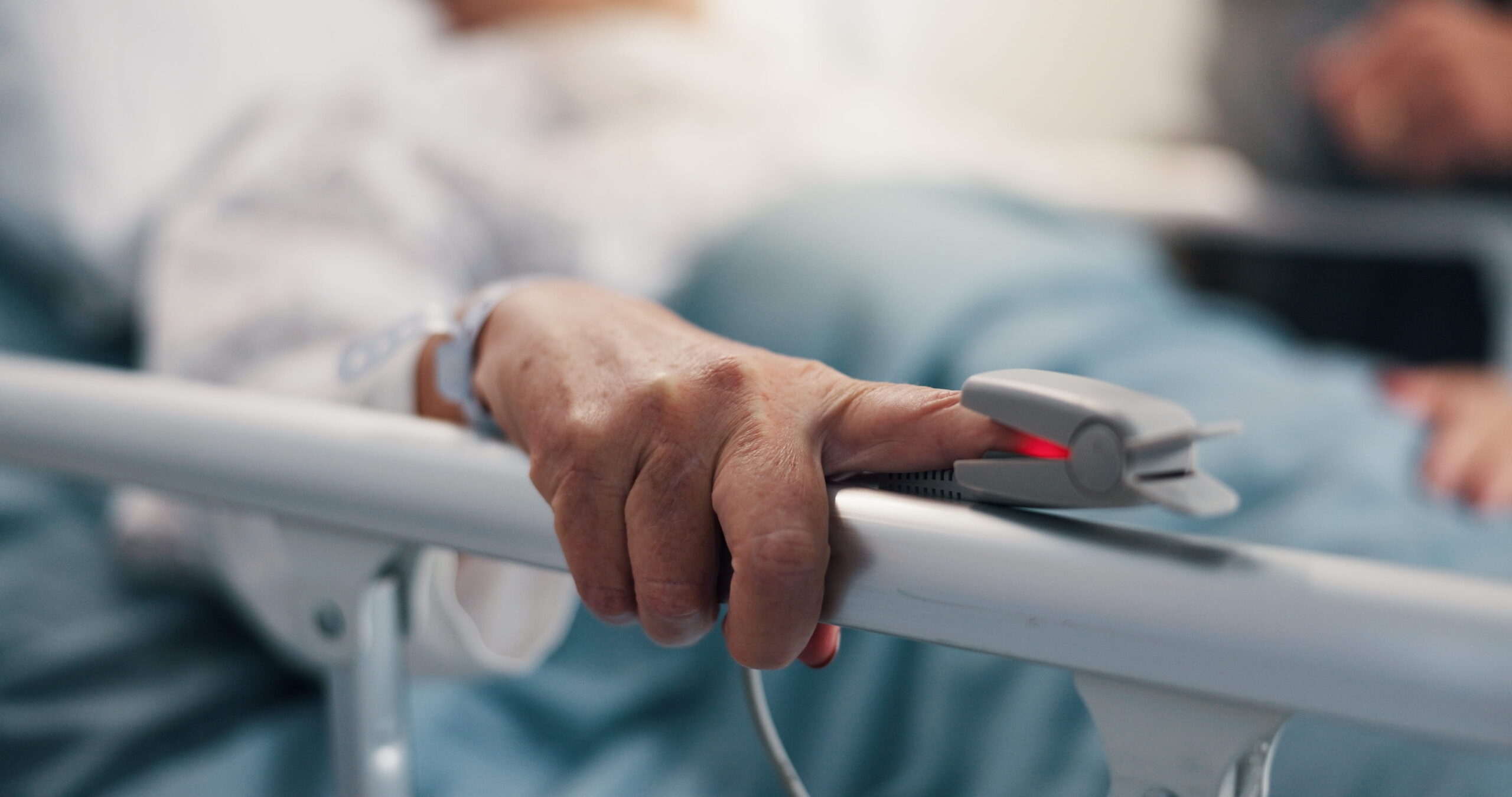
Patient safety is one of the most essential responsibilities in modern nursing practice. Every shift presents opportunities to prevent harm, catch risks early, and protect patients. For working nurses, earning a Bachelor of Science in Nursing (BSN) can strengthen these safety-focused skills through evidence-based education and leadership development.
At Nevada State University (NSU), the RN to BSN program is designed for licensed nurses who seek an efficient, flexible path to a bachelor’s degree while continuing to work. The program’s focus on analytical thinking, clinical reasoning, and management skills supports safer, higher-quality care across healthcare settings.
What Is Patient Safety in Nursing?
Patient safety in nursing involves preventing avoidable harm and reducing risks that can occur during care. Core areas of patient safety include:
- Medication safety – Verifying medications, dosages, allergies, and timing
- Infection prevention – Hand hygiene, sterile technique, isolation protocols, and line care
- Patient identification – Using two identifiers before medications, tests, or procedures
- Clear communication – Structured handoffs and accurate documentation
- Fall prevention – Assessing risk, implementing mobility supports, and safe transfers
- Early recognition of decline – Noticing subtle changes and escalating concerns quickly
Safety in healthcare is also a systems issue, not a matter of individual blame. A mistake often connects to larger factors such as unclear communication, workload, workflow gaps, or inconsistent documentation.
Why Patient Safety Is Central to Nursing Practice
Nurses are at the forefront of the care experience, monitoring patients and coordinating across multiple providers. This means they’re uniquely positioned to influence safety. For example, a nurse might catch that a medication dose is unusual, notice a change in mental status that signals sepsis, or recognize a breakdown in communication during a transition of care.
Patient advocacy also makes safety a core nursing function. Speaking up when something seems off, questioning unclear orders, and escalating concerns all protect patients — especially those who cannot fully advocate for themselves.
Common Patient Safety Challenges in Healthcare Settings
Even strong teams face safety risks, particularly in high-acuity environments, understaffed units, or complex care settings. Understanding where errors and adverse events tend to happen helps healthcare professionals improve systems and prevent repeat problems.
Medication Errors
Medication errors remain one of the most common safety threats in clinical settings. They can include:
- Incorrect dosages
- Look-alike/sound-alike drugs
- Missed medications
- Timing errors
Distractions, interruptions during med passes, and incomplete medication reconciliation can increase the risk of errors. Prevention often relies on consistent habits such as:
- Scanning protocols
- Double-checking high-alert medications
- Clarifying unclear orders
- Monitoring patient responses closely after administration
Communication Breakdowns
Communication gaps cause a wide range of safety issues, especially during handoffs, rapid changes in condition, and transitions between departments or facilities. Information can be lost when documentation is incomplete, verbal updates are rushed, or team members use inconsistent terminology.
Structured tools for communication (like standardized handoff formats) can reduce confusion. Equally important is psychological safety: Staff must feel comfortable raising concerns without fear of dismissal.
Healthcare-Associated Infections (HAIs)
Infection prevention is a central part of safe care. HAIs can occur in the following scenarios:
- After surgery
- Through catheter use
- During ventilator care
- From poor hand hygiene and surface contamination
Patients in intensive care or those with weakened immune systems are particularly vulnerable. Nursing practice plays a major role in minimizing infection risk through:
- Consistent hand hygiene
- Proper personal protective equipment (PPE) use
- Wound care
- Device care
- Early recognition of infection symptoms
Patient Falls and Mobility Risks
Every year, anywhere from 700,000 to one million patient falls occur in hospital settings. While anyone can experience a fall, they’re especially common among patients who:
- Are older
- Have an altered mental status
- Are physically weak
- Have medication side effects
- Have balance impairment
Mobility risks rise when patients attempt to move without assistance or when support tools are not available at the right moment. Fall prevention calls for regular reassessment, clear communication about mobility status, and safe environmental setup. Even small changes (such as ensuring the call light is within reach) can make a meaningful difference.
System and Workflow Issues
Many adverse events stem from workflow problems rather than skill deficits. Examples include:
- Understaffing
- Rushed admission/discharge processes
- Long response times for critical results
- Unclear division of responsibilities
Strong systems reduce reliance on memory and improvisation. Standardized checklists, consistent documentation expectations, and thoughtful staffing models can enhance safety in healthcare.
Diagnostic Errors
Diagnostic errors are often associated with missed symptoms, delayed escalation, incomplete assessments, or misinterpretation of changes in patient condition. Nurses contribute to diagnostic accuracy by carefully monitoring trends and reporting concerns promptly as well as advocating for reassessment when something does not match the clinical picture.
This is where early recognition matters. A nurse who notices subtle changes in breathing effort, skin color, or behavior may prompt interventions that prevent rapid decline.
How BSN Education Strengthens Patient Safety Competencies
BSN education supports safer practice by strengthening how nurses evaluate evidence, lead teams, and apply quality improvement methods. It doesn’t replace clinical experience — rather, it helps nurses apply that experience through a broader lens.
Evidence-Based Practice (EBP)
Evidence-based practice helps nurses make decisions rooted in healthcare research versus mere routine or habit. BSN coursework emphasizes how to interpret studies, evaluate clinical recommendations, and apply findings in real-world settings.
EBP supports safety and nursing by building a stronger connection between daily care decisions and proven outcomes. This can influence everything from preventing pressure ulcers to reducing medication errors to improving discharge education.
Quality Improvement and Safety Science
Quality improvement focuses on identifying patterns of harm, then measuring outcomes and testing changes. Nurses with quality improvement training are more prepared to spot trends in adverse events, understand root causes, and help teams design better workflows.
Safety science also explores how human factors impact performance, particularly in high-pressure environments. Understanding how fatigue, interruptions, and unclear systems contribute to medical errors allows teams to build safer processes.
Leadership and Systems Thinking
A single incident often points to a larger pattern. Systems thinking teaches nurses to look beyond the immediate issue and examine how processes and environments contribute to risk. BSN education fortifies leadership skills that support a culture of safety, including:
- Conflict navigation
- Mentoring
- Communication
- Accountability
BSN-prepared nurses are often better positioned to influence how teams respond to safety issues and how consistently best practices are followed.
Informatics and Technology
Technology affects nearly every part of modern care, from medication scanning to electronic health records (EHR) to alert systems. Informatics education helps nurses leverage technology effectively while staying aware of its limitations.
A well-designed system can reduce risk, but poorly implemented technology can introduce new hazards. Nurses with informatics training can support safer workflows by using documentation systems accurately, improving data quality, and recognizing where charting or alerts may create confusion.
The Role of BSN-Prepared Nurses in Safety Leadership
BSN-equipped nurses are often viewed as ready for broader responsibilities related to mentoring, improvement efforts, and care coordination. Over time, this can open doors to roles that influence policies and patient outcomes at a higher level, such as quality improvement teams, infection prevention efforts, case management, or clinical education.
Safety leadership doesn’t always require a formal title. In many settings, it looks like coaching newer nurses, modeling best practices, and helping teams evaluate what went wrong after an adverse event. Nurses with a solid education in evidence-based care are better prepared to lead these conversations in a productive, solutions-focused way.
How Online RN to BSN Programs Support Safer Care
Many nurses want to deepen their education but can’t step away from work. Online RN to BSN programs (such as the one offered at NSU) make it possible to develop new safety competencies while continuing to care for patients in real time. Key learning areas that support safety-focused practice include:
- Evidence-based practice, strengthening decisions using research and systematic review findings
- Leadership development, building skills for mentorship, coordination, and team communication
- Ethical decision-making, supporting patient-centered care under complex conditions
- Population health, recognizing risk patterns and backing prevention efforts across communities
This education elevates patient safety in nursing by helping nurses think more strategically about risk reduction, preventable harm, and systems-level improvement.
Patient Safety, Professional Standards, and the Future of Nursing
Healthcare is growing ever more complex. Patients are living longer with multiple chronic conditions, care teams are larger, and clinical settings are more technology-driven than ever. Together, these factors raise the stakes for safety.
Nursing education is evolving in response. The future of safety in healthcare will rely on nurses who can interpret evidence, identify risks early, support safer systems, and lead improvements that enhance patient outcomes. BSN education solidifies that readiness as nurses take on expanded responsibilities in complex care settings.
Take the Next Step Toward Safer Patient Care With Nevada State
Strong safety habits protect patients, improve quality of care, and bolster the confidence of nursing teams. When nurses deepen their education, they gain more tools to prevent adverse events and lead meaningful enhancements in healthcare environments.
NSU’s RN to BSN online program is built for licensed registered nurses seeking an efficient way to earn their bachelor’s degree while continuing to work. With coursework covering evidence-based care, leadership development, and community health, this program helps nurses build skills that directly support patient safety.
Request more information today to take the next step toward advancing your nursing education and impact.
Sources
https://www.who.int/news-room/fact-sheets/detail/patient-safety https://pmc.ncbi.nlm.nih.gov/articles/PMC6650676/
https://www.ncbi.nlm.nih.gov/books/NBK519065/ https://www.cdc.gov/healthcare-associated-infections/about/index.html https://pmc.ncbi.nlm.nih.gov/articles/PMC6446937/
https://www.ncbi.nlm.nih.gov/books/NBK338594/ https://www.nursingworld.org/content-hub/resources/workplace/evidence-based-practice-in-nursing/ https://www.ncbi.nlm.nih.gov/books/NBK556097/ https://amia.org/about-amia/why-informatics/informatics-research-and-practice https://www.asha.org/research/ebp/ https://www.apna.org/news/a-systematic-approach-to-ethical-decision-making-for-nurses/